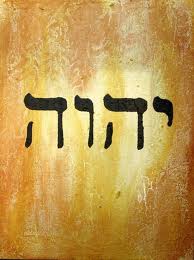
 Some have made the claim that an acrostic of the accusation Pilate wrote above Jesus’ cross spells “YHWH.” (example). There is at least one reason to seriously question the claim, and a second reason that proves it false. Let me deal with each in turn.
One reason to question this claim is the fact that we cannot be certain what was actually written on the titulus (the placard on which the victim’s crime was recorded) above the cross. The evangelists do not present us with a single version of what was written:
- Matthew: “This is Jesus, the king of the Jews” (27:37)
- Mark: “The king of the Jews” (15:26)
- Luke: “This is the king of the Jews” (23:38)
- John: “Jesus of Nazareth the king of the Jews” (19:19)
(more…)
Posted by Jason Dulle under
Fun
[6] Comments
I was once told my theology professor to stop including so many “thats” in my papers. I complied, and remain critically aware of using unnecessary “thats” to this day. But there is a place for using “that.” Indeed, sometimes it is right to write multiple, consecutive “thats” in a single sentence.
For example, “I know that that professor does not like me using the word ‘that.’” But if it’s right to write “that” twice, could it be right to write “that” that much more? Yes. That “that that” is perfectly acceptable English should be obvious to all. But that’s not all the “thats” that that professor should allow. That that “that that” that I spoke of earlier is proper, no one can deny. But could someone deny that it’s possible to use six “that thats” in a single sentence? They could, but that would be a mistake because now that that “that that” that that professor did not like proved to be an acceptable use of English, there’s no telling how many more “thats” can be used in a sentence. Perhaps we could use as many as seven. But I would understand why, upon hearing that, that that “that that” that that professor initially objected to would no longer seem all that objectionable. And that is all I have to say about that.
 Some have made the claim that an acrostic of the accusation Pilate wrote above Jesus’ cross spells “YHWH.” (example). There is at least one reason to seriously question the claim, and a second reason that proves it false. Let me deal with each in turn.
 Thinking to Believe