 Many think a hypocrite is someone who fails his own moral standard. This cannot be the right definition because it would make everyone a hypocrite. We all have a moral standard we think we should live up to and fail that moral standard in one way or another.
To be a hypocrite is to be an actor. It’s a pretender. A hypocrite is one who professes to believe in a moral standard that they don’t actually believe in, or someone who has no intention of trying to live up to the moral standard they really do believe in.
Someone who sincerely believes X is wrong, and sincerely attempts to live by X but, nevertheless, fails to always do so is not a hypocrite. For example, a person might profess that it is wrong to lie, and thus does his best to avoid lying; nevertheless, in a time of trouble, he tells a lie to get out of trouble. After doing so, he repents to God and goes on trying to live a life of honesty. This man is guilty of a moral failure, but not of moral hypocrisy. The moral hypocrite is the one who says he believes in truth-telling but really doesn’t, or believes in truth-telling but consistently lies nonetheless.
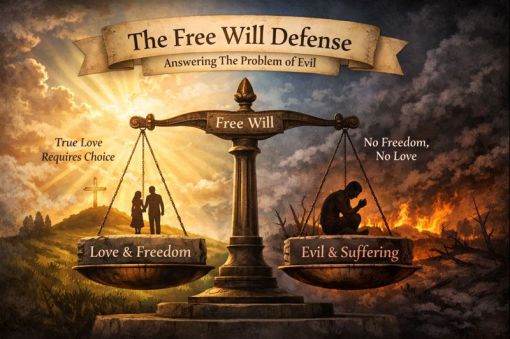 My series on the problem of evil will be wrapping up soon. The last two episodes (186-187) have focused on a potential flaw in the Free Will Defense (FWD), which is arguably one of the best answers to the problem of evil.
 I have started a mini-series on the Problem of Evil as part of my larger series on Answering God’s Critics. There are two episodes thus far, with many more to come. If you’ve ever struggled to answer why a good and powerful God would allow evil, this series is for you.
 I’ve always assumed that David had sex with Bathsheba once. However, the text says that when David first saw her, she was bathing to purify herself of her uncleanness (2 Sam 11:1-5). This is referring to the bathing a woman would undergo after her menstrual cycle ended. Since one is least fertile immediately following menstruation, this suggests that David’s fling with Bathsheba was no one-night stand. Bathsheba probably remained with David for a number of days before returning to her house, during which they had sexual relations multiple times. If so, David’s sin was not a one-time mistake, but an ongoing sin.
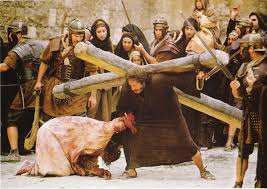 Here’s how a parenthetical statement can provide interesting insights about the provenance of a Biblical book. Mk 15:21 says, “And they compelled a passerby, Simon of Cyrene, who was coming in from the country, the father of Alexander and Rufus, to carry his cross.”
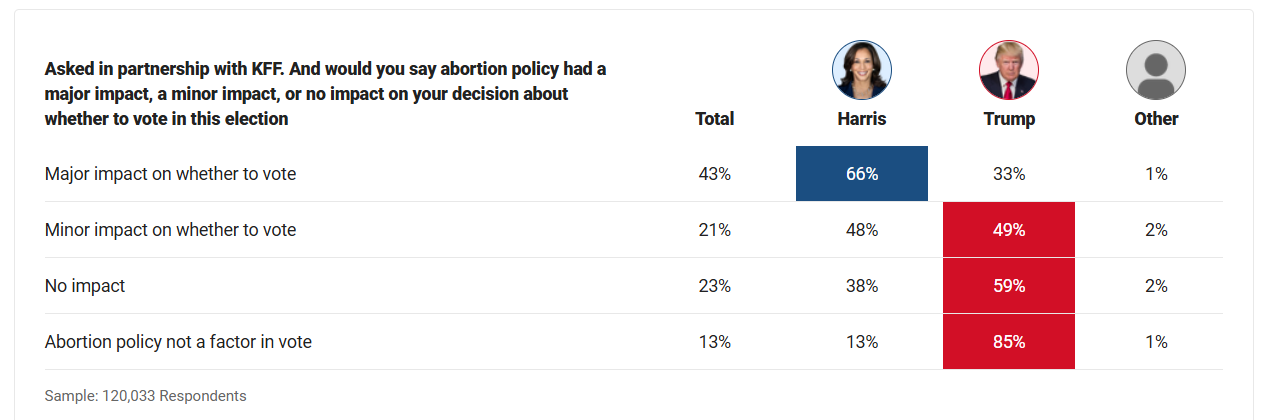
 People say you shouldn’t demonize your political opponents, such as calling them “evil.” That may have been true when the differences in the two parties were mainly related to economics and foreign policy. Indeed, it would be foolish to demonize those who have a different tax policy than we do. But today, far more separates the two parties than economics and foreign policy. Each party has taken sides on major moral issues. Moral issues pertain to good and evil, and thus a party should be considered good or evil depending on what moral issues it is advancing. If one party is consistently using its power to advance moral issues that are evil, then it follows that we should consider the party itself to be evil (and by extension, the office-holders and candidates representing that party).
 I posed a moral dilemma to a few Christian thinkers, but none were able to provide a fully satisfactory answer. While I think most ended up at the right conclusion, no one could really articulate the moral principles used to come to that conclusion. So I thought I would pose the dilemma to AI and see what it had to say. Could it provide any additional insights into Christian moral reasoning? I chose to use ChatGPT and Gemini. I will reproduce the chats below for your reading pleasure, but I would like to make several observations first.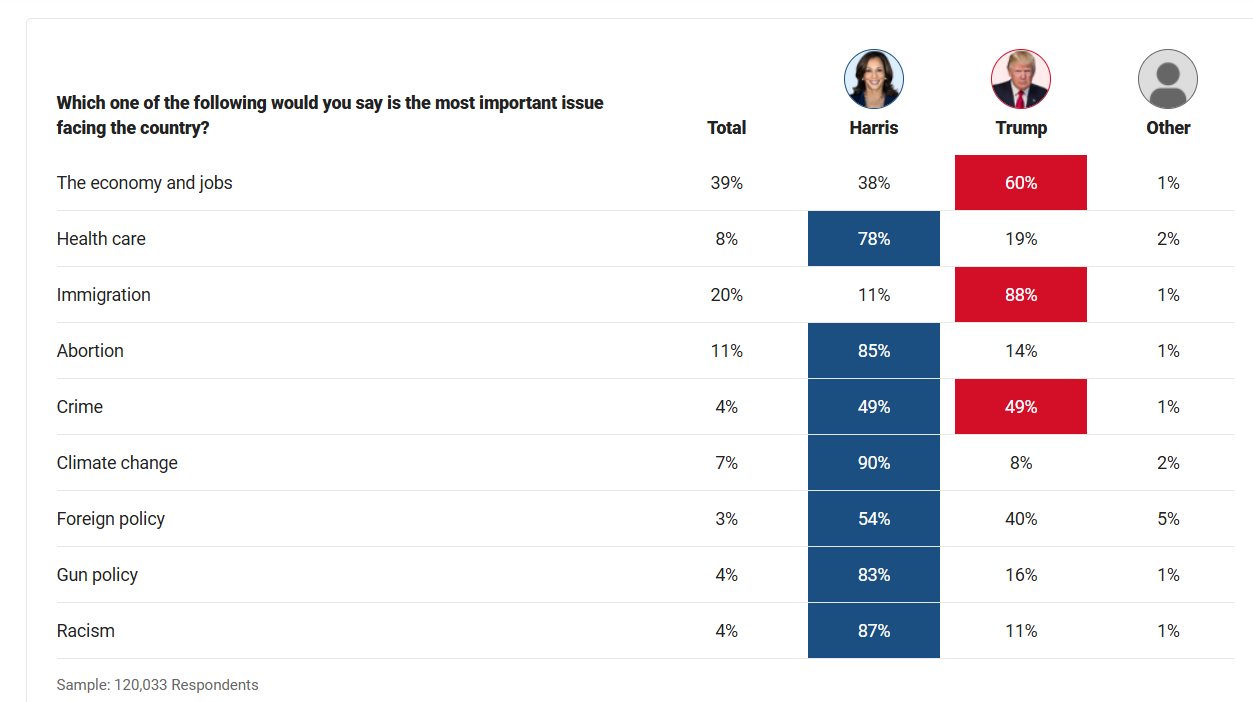

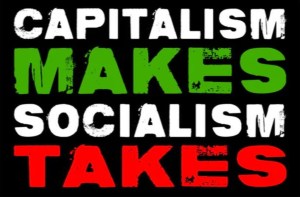 In light of the rising popularity of socialism in this country, we need to talk about economics. Why? Because economic theories have both a moral foundation and moral implications. As such, Christians ought to care about and critically evaluate economic theories.
  Yesterday was the actual day Jesus ascended into heaven 1,992 years ago. To coincide with this momentous day, I published my first episode exploring the theological and practical significance of the ascension.
 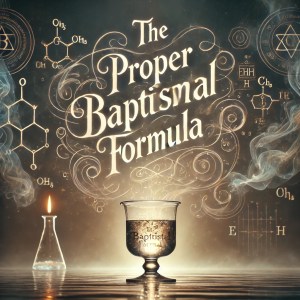 Trinitarians typically baptize in the name of the Father, Son, and Holy Spirit based on Matthew 28:19. In contrast, Oneness Pentecostals (OPs) typically baptize in the name of Jesus Christ based on Acts and the epistles. Which is the proper baptismal formula?
 My podcast series on the resurrection is still going strong. I’ve recently started my last sub-series within the larger series, focused this time on the Shroud of Turin. If you have never heard of it before, it’s the purported burial cloth of Jesus Christ, bearing the image of a crucified man. Many Protestants have dismissed it as a fake Catholic relic, and most non-Christians have dismissed it as a medieval forgery due to carbon dating tests in the 1980s. However, interest in the Shroud has not gone away, and for good reason. There is much more to the story. In this sub-series, I’m examining the mountains of evidence for its authenticity, and I’ll address questions related to dating, and more.
 We have a hard time understanding how the Germans allowed the Holocaust to take place. How could people so easily and so readily disregard the humanity of an entire group of people? How could they so callously kill millions of people? How could so many people who disagreed with the actions of the state stand by and do nothing? It’s not that hard to see how, really.

 We are all searching for significance. We want to believe that our life matters. We want to feel like we are special. We want to know that our life has made a difference in this world. That’s why people seek to do extraordinary things. It’s why people seek fame. What we need to recognize is that we are already significant. We are made in the image of God. Our significance is rooted in God. We will never truly feel significant until we are in a close relationship with God.
 I’ve
I’ve 

 Thinking to Believe