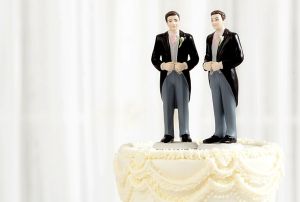
 Politically speaking, the same-sex marriage debate is over – at least for the foreseeable future. The Supreme Court declared same-sex marriage a Constitutional right. Even Republican lawmakers have caved on the issue when they passed The Respect for Marriage Act in December 2022 (39 Republicans in the House of Representatives and 12 Republicans in the Senate voted for it). Even on the social front, the debate seems to be over. Not only do 63% of Americans currently approve of same-sex marriage[1], but conservatives have disengaged from any public debate on the matter. We have conceded defeat with our silence. So why keep talking about the issue, then? While the debate is essentially over in the political and social arenas, it is still raging on in the church. While conservatives may still have the numbers on our side for the time being, the pro-LGBT and pro-same-sex marriage crowd has gained a momentum that may undermine our majority in the near future. Christians still need to know why same-sex marriage is morally incompatible with Christianity (theological), and still need to understand why we think that same-sex marriage should not be legal (political). This post will focus on the political issue (for a Biblical case against homosex, see my article “Homosexuality and the Bible”).
Many Christians take the “personally opposed, but…” approach to same-sex marriage. They say they personally believe that same-sex marriage is immoral, but they think it would be wrong to “impose” their religious beliefs on others in a secular society. But is it an imposition of our religious beliefs if we don’t expand the institution of marriage to include same-sex couples? Not at all. The argument against calling same-sex relationships a “marriage” does not require any religious presuppositions, yet alone Christian presuppositions. So what does a Christian argument against expanding the institution of marriage to include same-sex couples look like? Here’s one such argument:

 Thinking to Believe